
Words only
Start from a sentence, with nothing to prepare.
Nano Banana 2.1 is live — sharper edits, cleaner text, up to 4K
Write the shot — subject, action, camera move, mood — and watch it render with synchronized sound.
Avoid copyrighted characters, logos, music and sensitive or explicit content — it may be blocked.
Estimated cost: 5 credits
Your creation appears here
Pick a model, describe the shot, and hit Generate.
Why Text to Video AI
Describe the shot, pick a model, and get a clip. No uploads and no editing software.
Start from a sentence, with nothing to prepare.
Camera terms in the prompt shape the shot.
Use Muse Video or Seedance to generate audio with the picture.
Run the same prompt on several engines.
Text to video guide
Text to video lets you describe a shot in words and receive a moving clip. This page covers how to write prompts that a video model can follow, and which model to start with. You do not need to upload anything.
You write a prompt, choose a model, resolution, aspect ratio, and duration, and the model renders motion that matches the description. Muse Video is the default, since it handles a wide range of prompts and can generate sound. Veo 3.1, Wan 3.0, Kling 3.0, MiniMax H3, and the Seedance models are also available in the same panel.
A reliable video prompt has four parts: subject, action, camera, and light. "A lighthouse keeper climbs a spiral staircase, handheld follow shot from below, warm lantern light" is specific and short. Add one camera term, such as push-in, orbit, tracking, or static wide.
Describe one action per clip. If you want a sequence, generate the beats as separate clips, or list them in order in a single sentence. Avoid contradictory instructions, such as "fast zoom" together with "static shot".
Who or what is on screen and what they do.
Push-in, orbit, tracking, handheld, or static.
Golden hour, neon night, overcast, or studio.
Use 480p and a short duration for tests. Choose 16:9 for widescreen, 9:16 for vertical feeds, and 1:1 for square posts. If the first result is close, change one thing in the prompt and run again rather than starting over.
How to use Text to Video AI
Subject, action, camera, and light in one or two sentences.
Who uses Text to Video AI
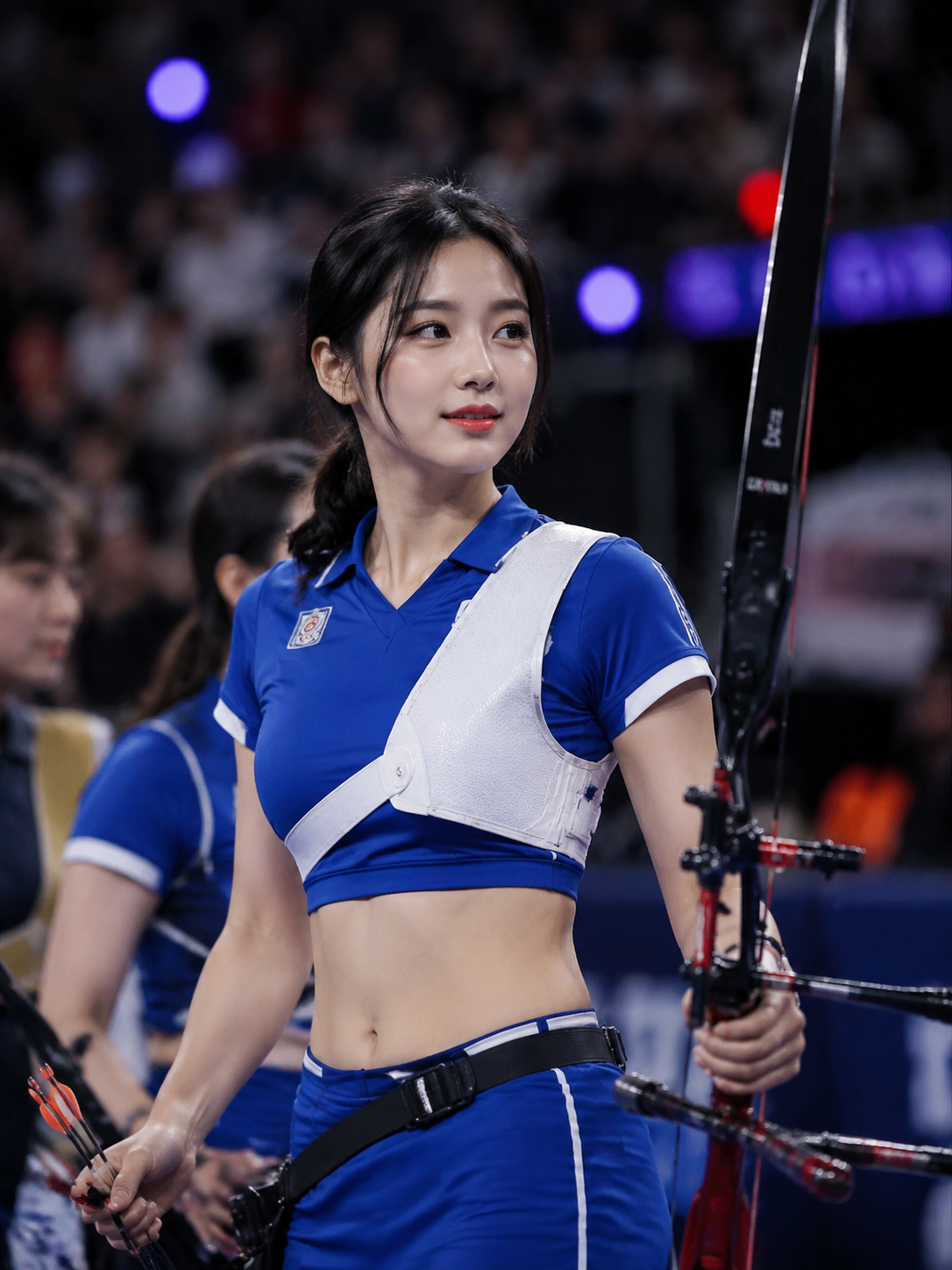
Moving mood boards from a paragraph of text.
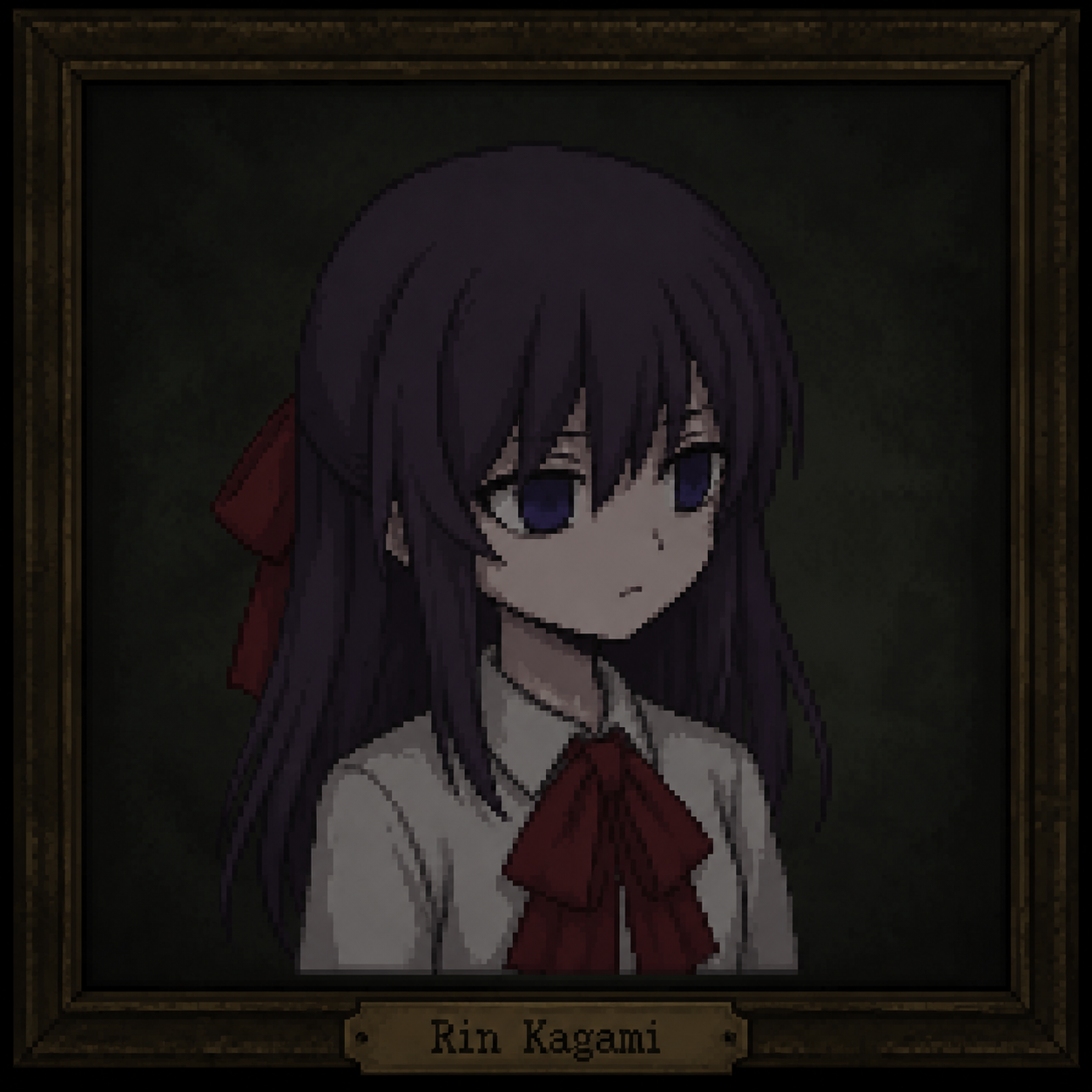
Quick clips for trending formats.
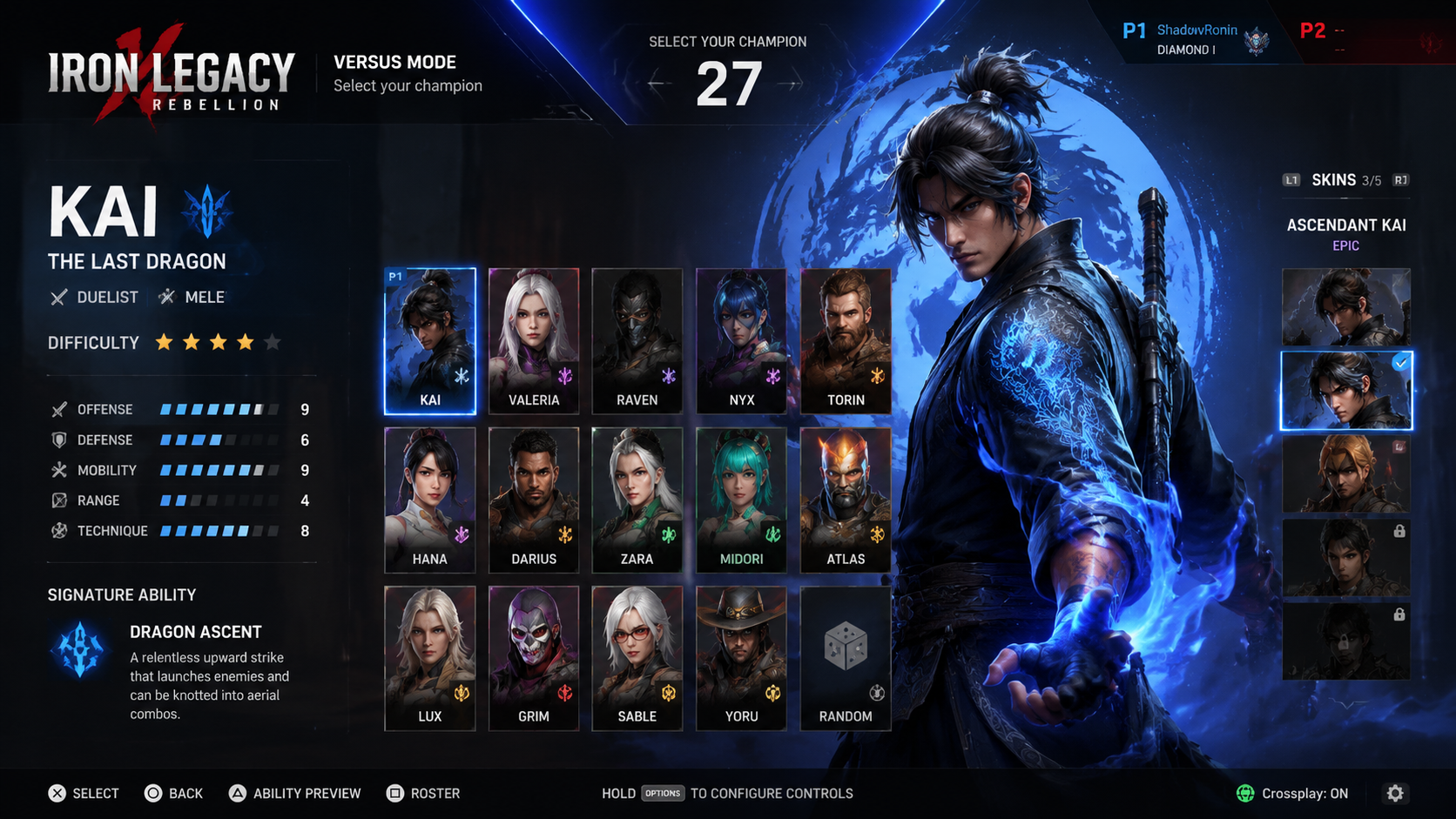
Promo footage without a production crew.
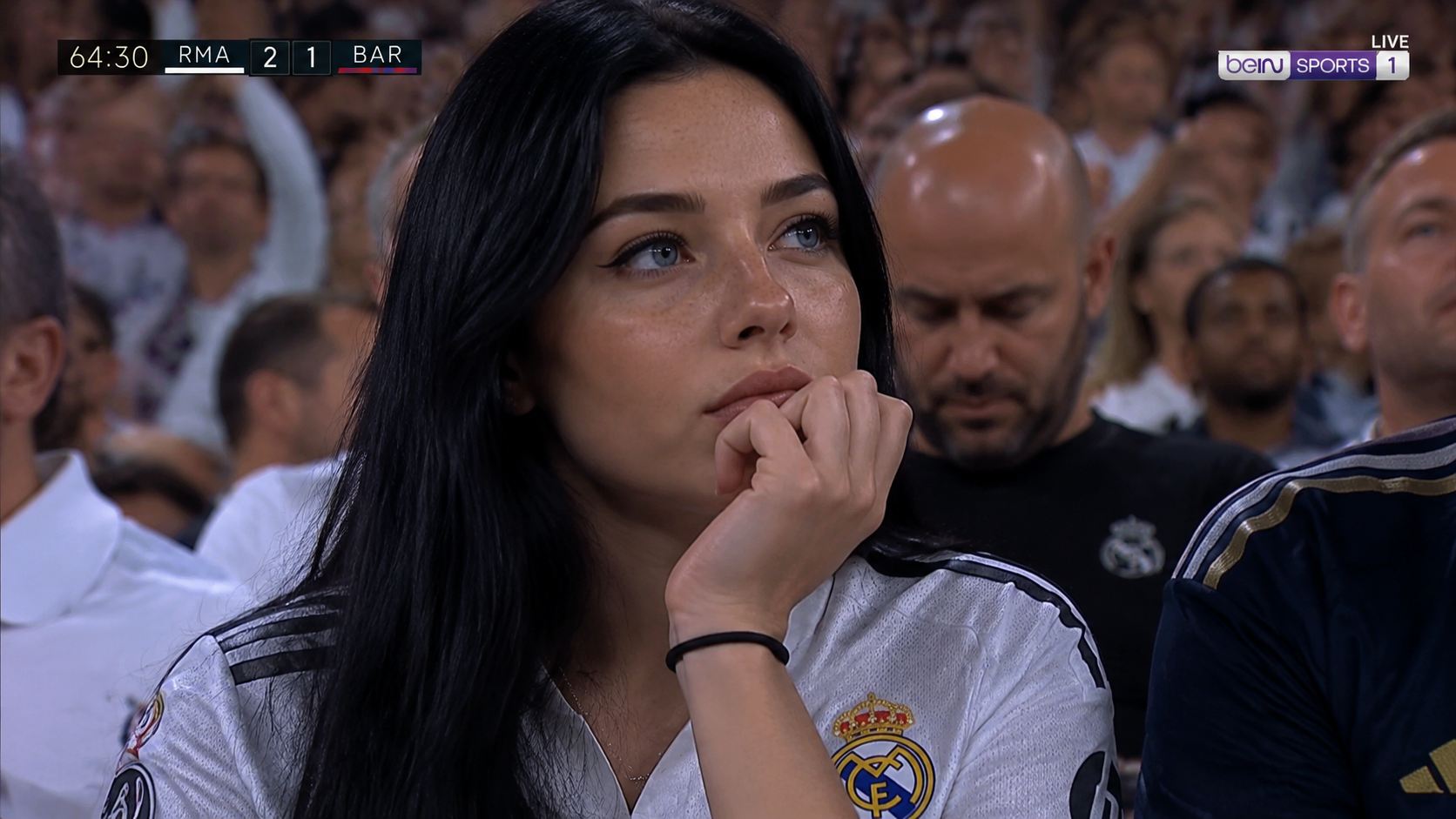
See scenes from a script or story.
More models
Switch engines without switching tools — Nano Banana 2.1 plus the strongest public image and video models, side by side in the Nano Banana AI studio.
 Muse VideoNewFlagship multimodal video with native audio
 Seedance 2.5HotMulti-reference Seedance with native audioSeedance 2.0Previous-gen Seedance up to 4KSeedance 2.0 FastFastFastest Seedance tier for drafts
 MiniMax H3Fast text/image to video up to 2KMiniMax H3 MaxHotReference-driven video consistency
 Veo 3.1Google’s cinematic drafting engine
 Wan 3.0Flexible duration and adaptive framing
 Kling 3.0Dramatic motion from a single prompt
 GPT Image 2.5NewSharp text and precise edits to 4KGPT Image 2Versatile image generation to 4KNano Banana 2.1NewFast drafts and precise edits to 4KNano Banana ProHotHigh-fidelity image output to 4KNano Banana 2Fast drafts and conversational editsNano Banana 2 LiteFastLightweight tier for quick, low-cost drafts
FAQ