
Readable typography
Headlines, labels, and signage render cleanly.
New
OpenAI’s GPT Image 2.5 — clean text-in-image, faithful prompt following, and crisp output up to 4K.
Avoid copyrighted characters, logos, music and sensitive or explicit content — it may be blocked.
Estimated cost: 5 credits
Your creation appears here
Pick a model, describe the shot, and hit Generate.
Why GPT Image 2.5
GPT Image 2.5 is the model to choose when the picture has to contain accurate words.
Headlines, labels, and signage render cleanly.
Say what sits where and the model follows it.
Edit, restyle, or composite from your own images.
Three resolution tiers for drafts and print.
GPT Image 2.5 guide
GPT Image 2.5 is OpenAI’s image model, available in the Nano Banana AI studio alongside Nano Banana 2.1, Nano Banana Pro, and GPT Image 2. It is the model to reach for when an image has to contain precise, readable text or follow a layout closely. This guide covers what it does well and how to prompt it.
GPT Image 2.5 is strongest at faithful prompt following and typography. Menus, posters, labels, social graphics, and diagrams with real words come back readable, and compositions place objects where the prompt says they go. It generates from text alone, or edits and restyles when you attach up to sixteen reference images.
Output is available at 1K for drafts, 2K for most work, and 4K for print-quality files. Aspect ratios include auto, 1:1, 3:2, 2:3, 4:3, 3:4, 16:9, 9:16, and 21:9, plus 27:16, 16:27, 9:8, and 8:9 at 1K, covering everything from a phone story to a widescreen banner. A background option lets you ask for a transparent or opaque background.
Headlines, signage, and labels render cleanly, which suits packaging and ad creative.
Specify what sits where, such as "logo top left, product centered, price tag bottom right", and the model follows it.
Attach up to sixteen images to restyle, extend, or composite them into a new frame.
Quote the exact words you want and state where they go and how they look: "a coffee bag with the label 'NIGHT SHIFT' in white capital letters on a matte black background, small 'Dark Roast' beneath". Keep each text element short and say it once. If the first result misspells a word, ask for that word only in the next pass rather than rewriting the scene.
For layouts, describe the grid first and the style second. Naming the format, such as "vertical poster", "square carousel slide", or "product hero banner", helps the model choose sensible margins and hierarchy.
Switch to Image to Image, upload your reference, and describe the change. Typical edits include replacing a background, changing the season or time of day, turning a photo into an illustration, and placing a product into a lifestyle scene. When you attach several references, say what each one contributes so the model does not average them.
Pick GPT Image 2.5 for typography-heavy and layout-driven work. Pick Nano Banana 2.1 for fast iteration and conversational edits with up to ten references. Nano Banana Pro is the higher-fidelity option in that family, and GPT Image 2 is a lighter alternative from the same maker. Since all of them live in one studio, a common workflow is to draft quickly on Nano Banana 2.1 and finish text-heavy variants on GPT Image 2.5.
The credit estimate appears before every run and depends on the resolution you choose. Draft at 1K, then render the final at 2K or 4K. Failed generations refund their credits automatically, new accounts begin with free credits, and paid plans include commercial usage rights for the images you create.
How to use GPT Image 2.5
Quote the exact text and say where it goes and how it looks.
Who uses GPT Image 2.5
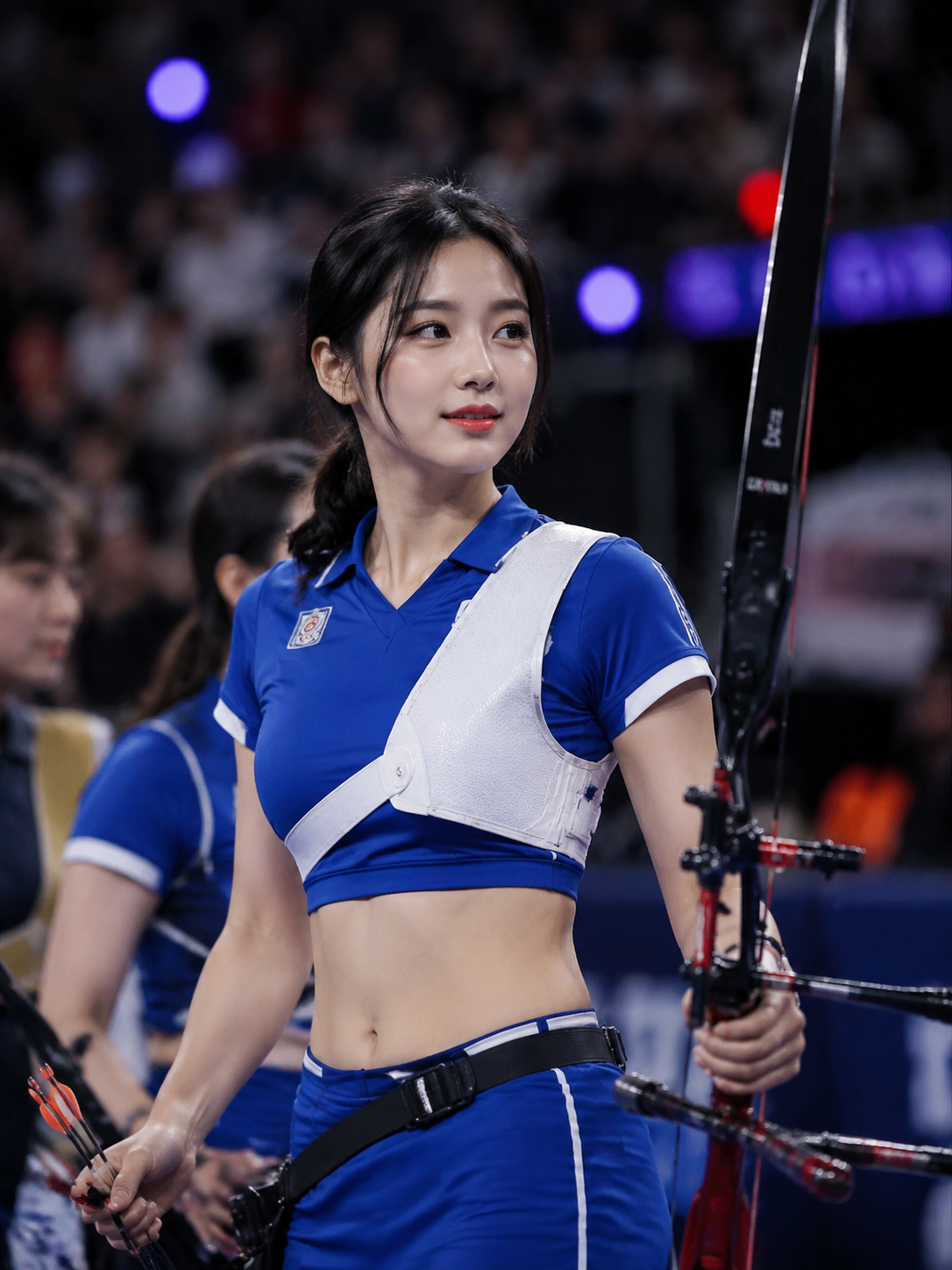
Typography-led layouts and covers.
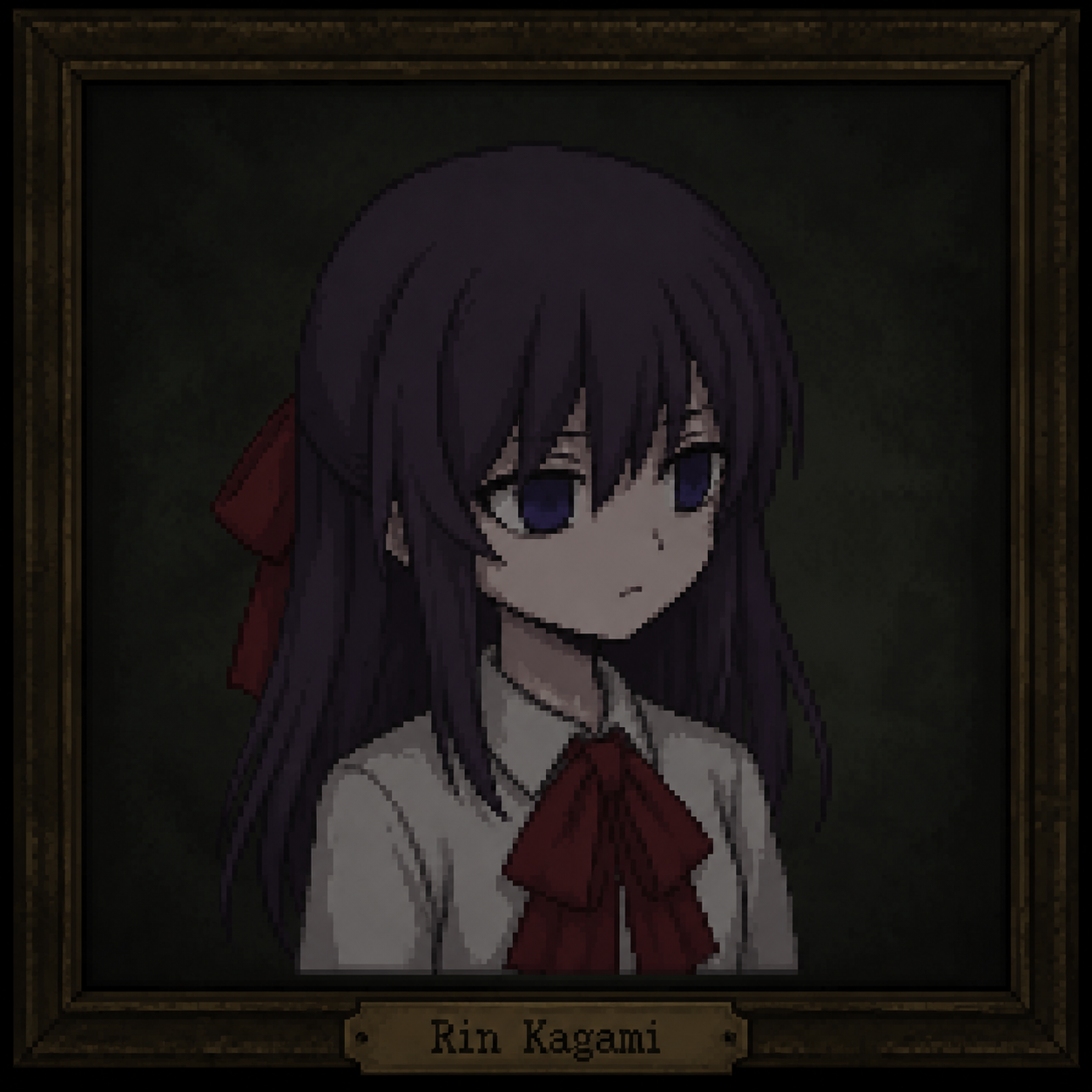
Headline-driven social graphics.
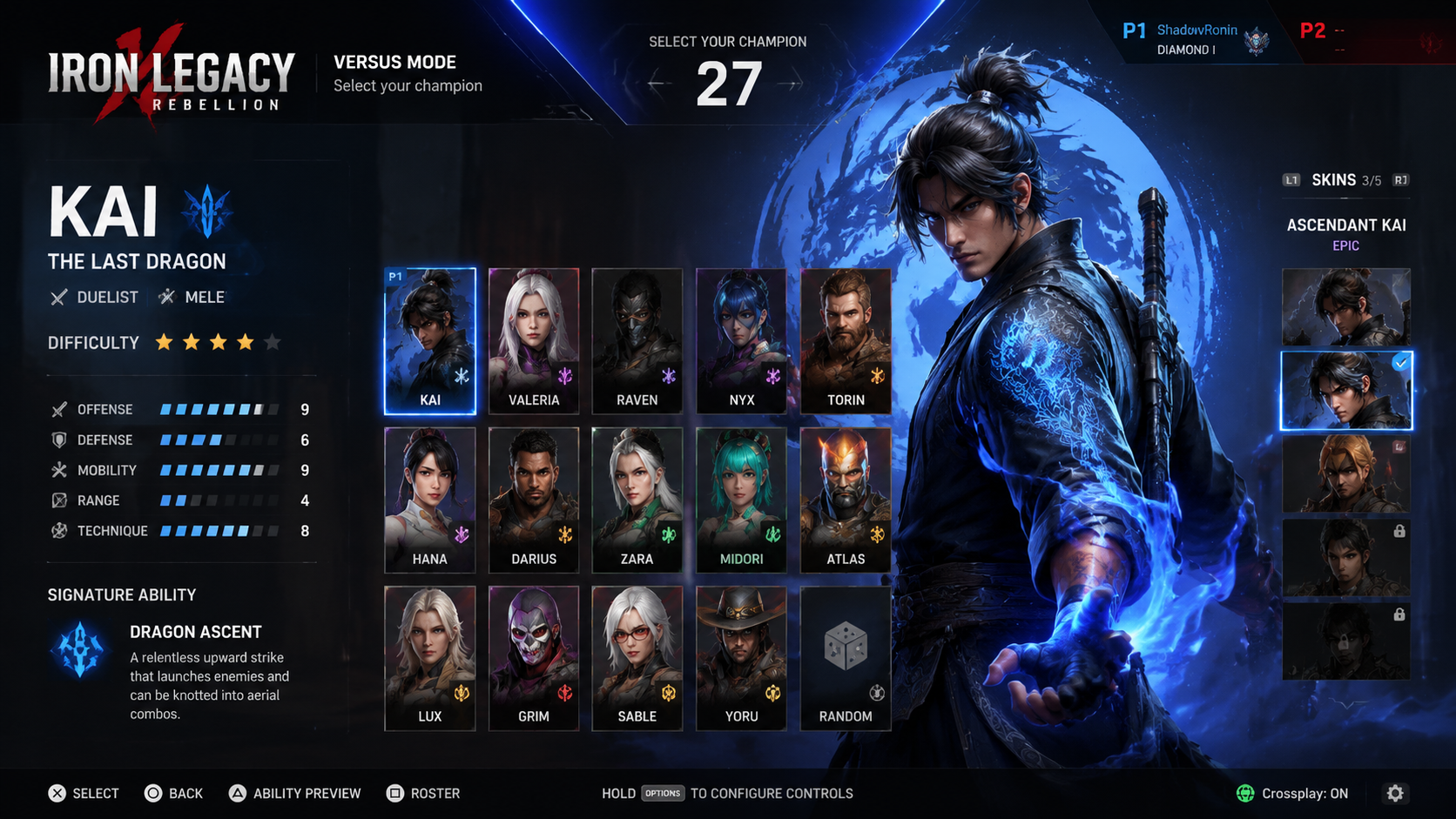
Labels and pack mockups with real text.
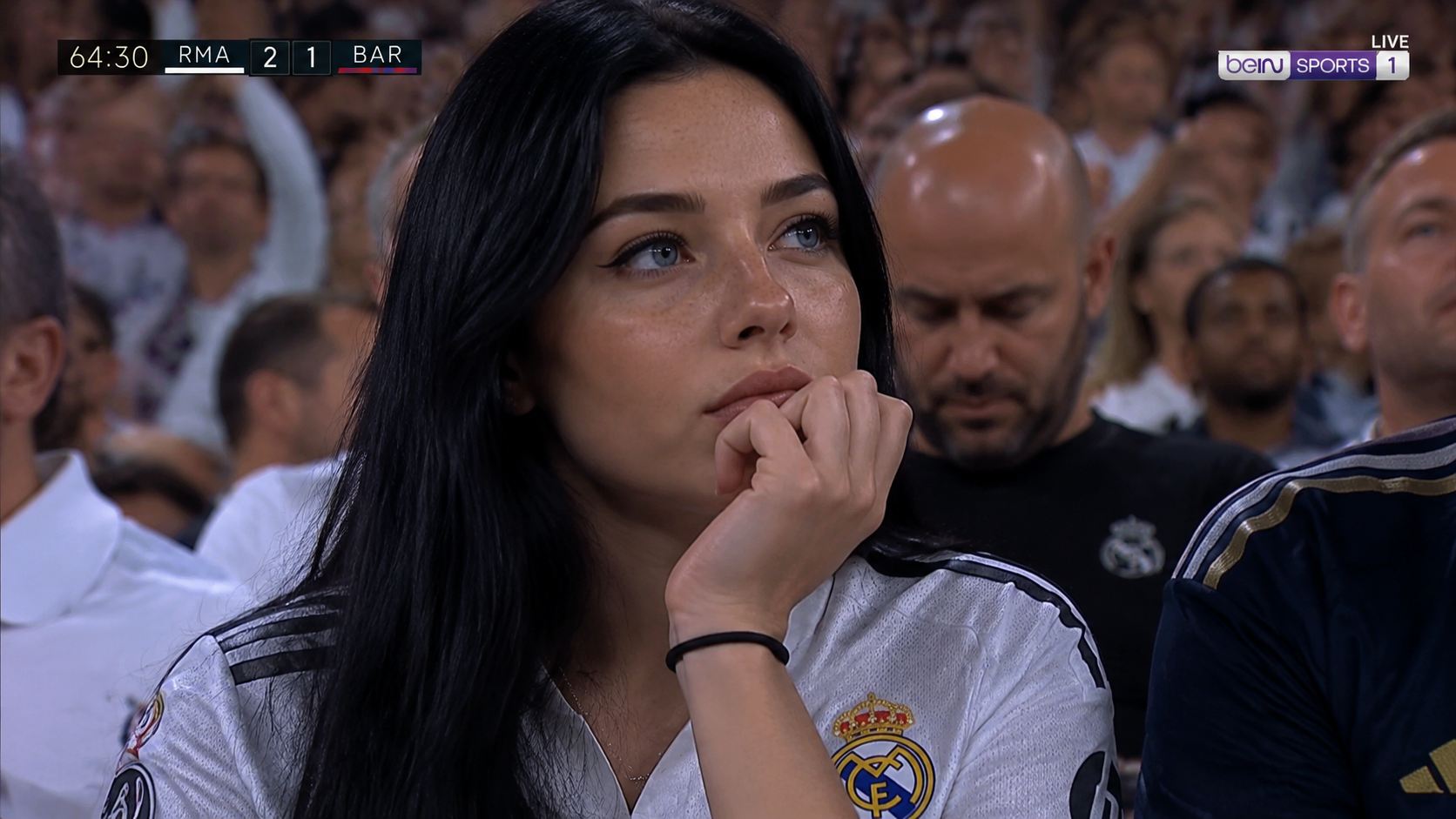
Infographics and diagram-style visuals.
More models
Switch engines without switching tools — Nano Banana 2.1 plus the strongest public image and video models, side by side in the Nano Banana AI studio.
 Muse VideoNewFlagship multimodal video with native audio
 Seedance 2.5HotMulti-reference Seedance with native audioSeedance 2.0Previous-gen Seedance up to 4KSeedance 2.0 FastFastFastest Seedance tier for drafts
 MiniMax H3Fast text/image to video up to 2KMiniMax H3 MaxHotReference-driven video consistency
 Veo 3.1Google’s cinematic drafting engine
 Wan 3.0Flexible duration and adaptive framing
 Kling 3.0Dramatic motion from a single prompt
 GPT Image 2.5NewSharp text and precise edits to 4KGPT Image 2Versatile image generation to 4KNano Banana 2.1NewFast drafts and precise edits to 4KNano Banana ProHotHigh-fidelity image output to 4KNano Banana 2Fast drafts and conversational editsNano Banana 2 LiteFastLightweight tier for quick, low-cost drafts
FAQ