
Keeps your composition
The first frame fixes the layout and colors.
Nano Banana 2.1 is live — sharper edits, cleaner text, up to 4K
Upload a frame, describe the motion, and get a living shot — product spins, portrait animation, scene reveals.
Avoid copyrighted characters, logos, music and sensitive or explicit content — it may be blocked.
Estimated cost: 5 credits
Your creation appears here
Pick a model, describe the shot, and hit Generate.
Why Image to Video AI
Start from a picture you already like and give it motion.
The first frame fixes the layout and colors.
Muse Video, Seedance 2.5, MiniMax H3, Veo 3.1, and Wan 3.0.
Upload, describe, and generate in a minute.
Seedance 2.5, MiniMax H3, Veo 3.1, and Wan 3.0 all generate audio.
Image to video guide
Image to video takes a still image as the first frame and animates it according to your prompt. This page explains which models support it, how to choose a source image, and how to describe the motion.
You upload a frame, describe what should move, and the model generates a clip that starts from your image. The composition and palette of the first frame are preserved, which makes the technique useful for product shots, portraits, and artwork. Muse Video, Seedance 2.5, MiniMax H3, Veo 3.1, and Wan 3.0 all accept a first frame.
Use a sharp, well-lit image with one clear subject. Cluttered scenes make motion unpredictable, and low-resolution images produce soft video. If you do not have the right still, generate one first with Nano Banana 2.1 or GPT Image 2.5 in the same studio, then send it to image to video.
One focal point moves more cleanly.
Even exposure avoids flicker.
Leave space in the frame for the camera or subject to travel.
Write only what changes. "The camera slowly pushes in while the model turns her head toward the window" is enough, since the image already supplies the look. Specify the camera move and the subject action separately, and keep the duration modest for the most stable result.
How to use Image to Video AI
Choose a sharp image with a clear subject.
Who uses Image to Video AI
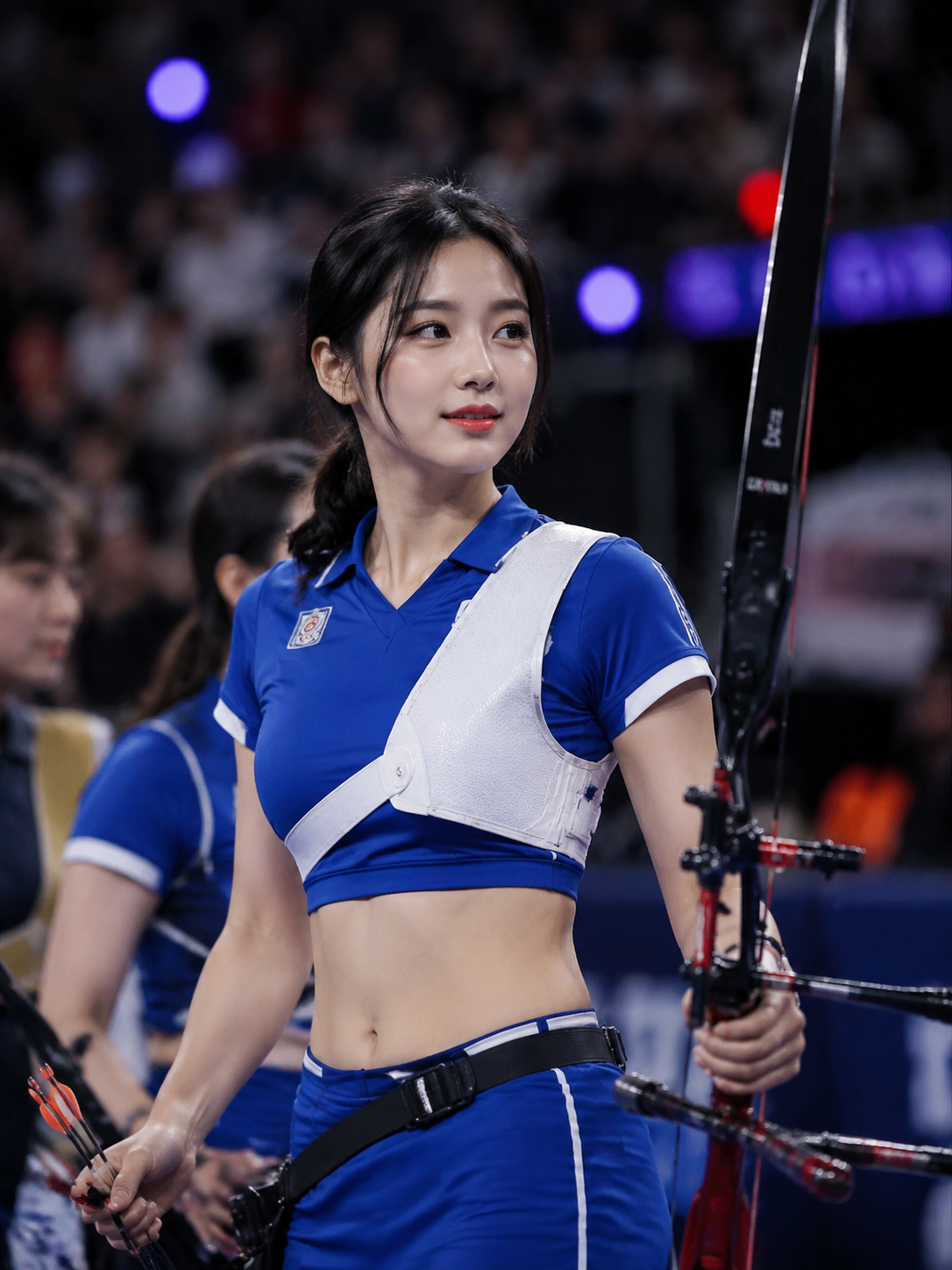
Add motion to portfolio images.
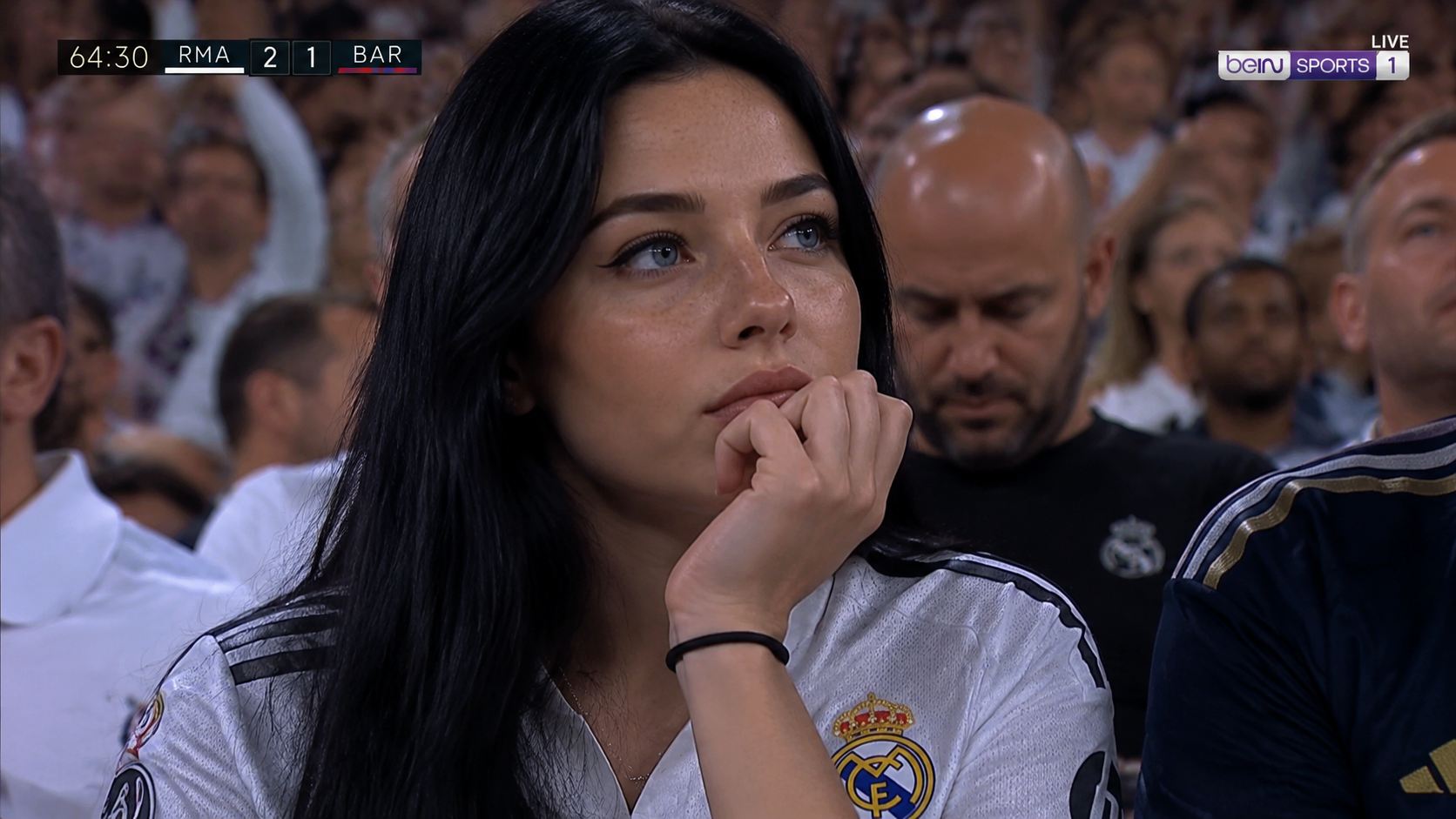
Turn static posts into short videos.
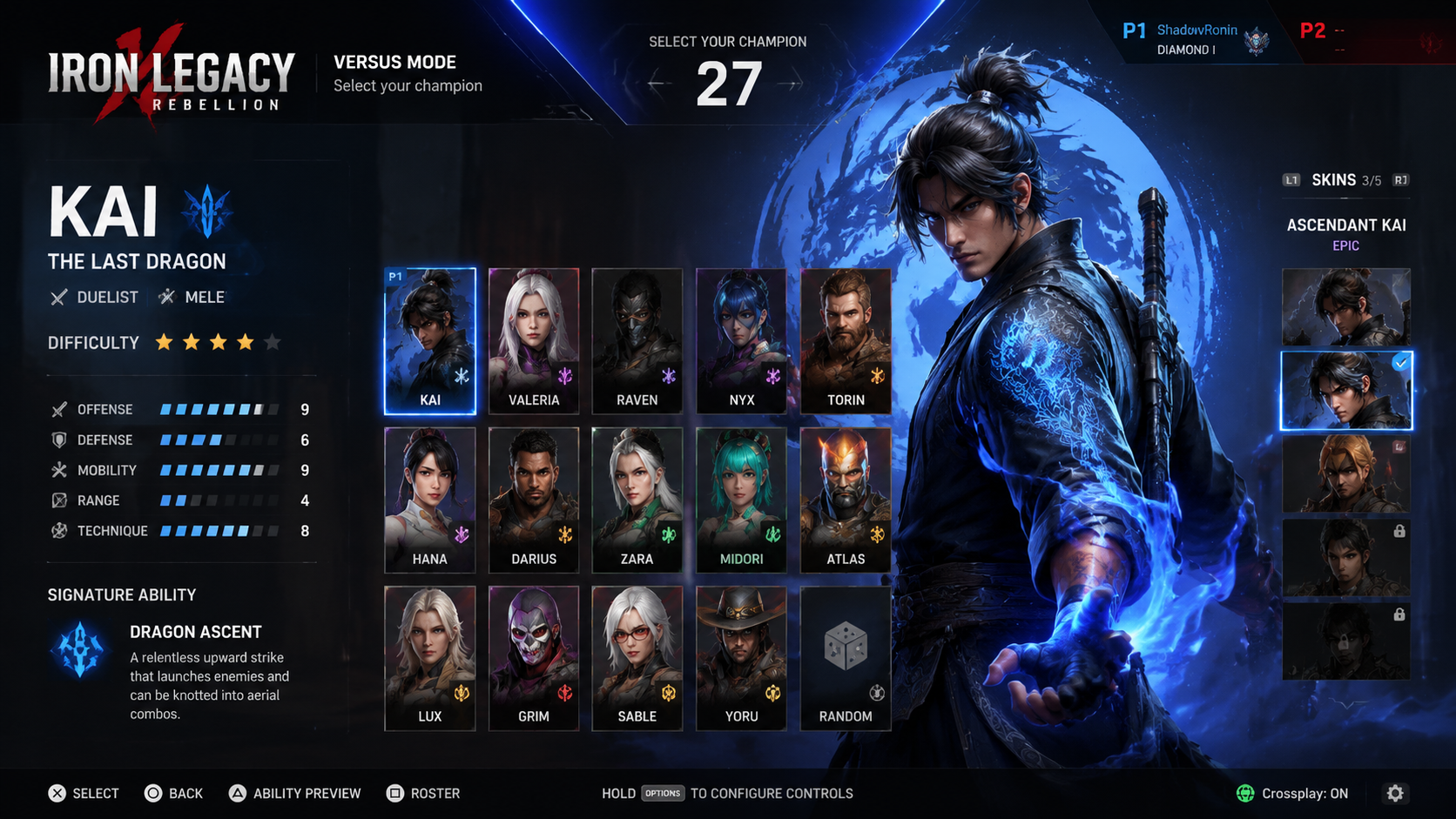
Animate product photos for listings.
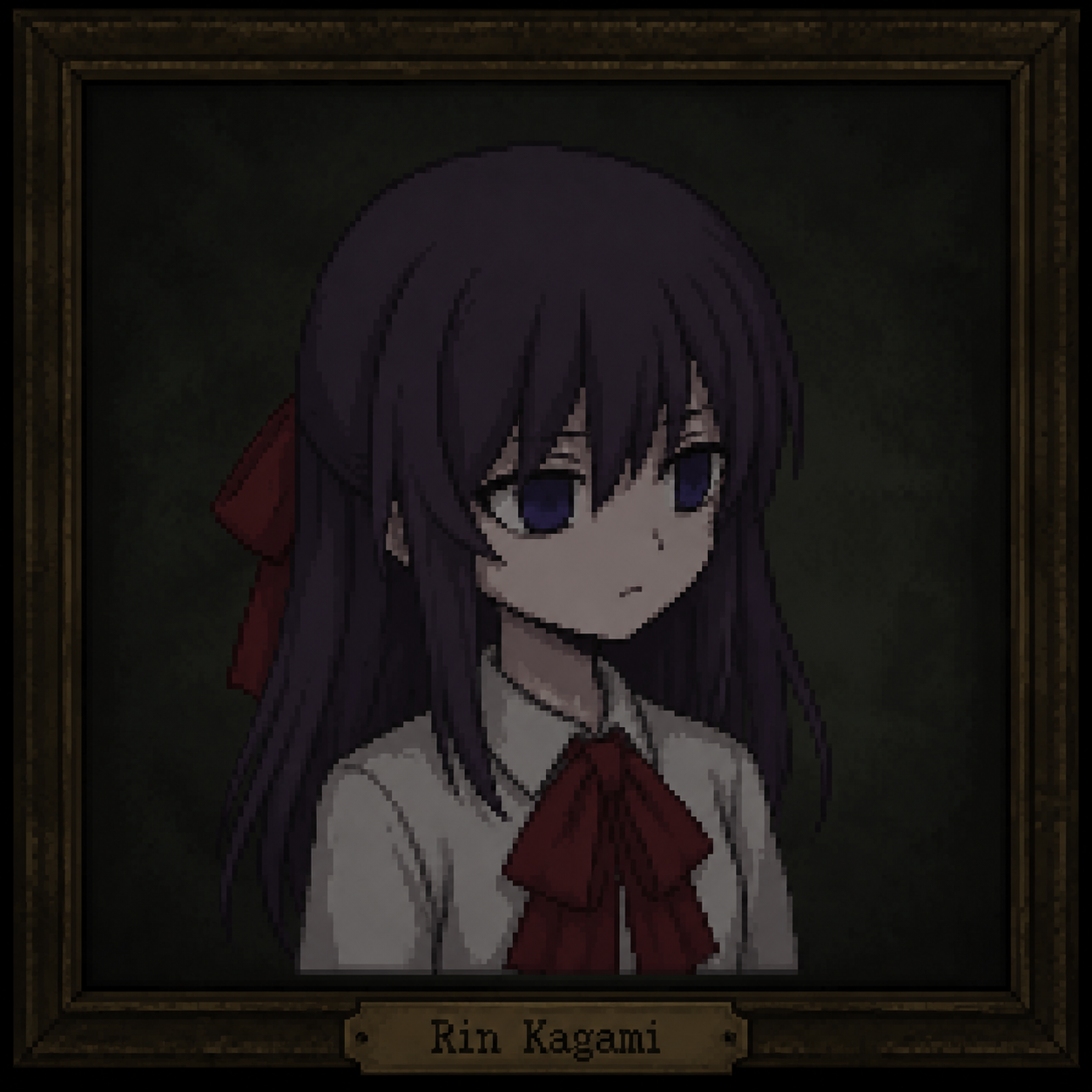
Bring artwork to life.
More models
Switch engines without switching tools — Nano Banana 2.1 plus the strongest public image and video models, side by side in the Nano Banana AI studio.
 Muse VideoNewFlagship multimodal video with native audio
 Seedance 2.5HotMulti-reference Seedance with native audioSeedance 2.0Previous-gen Seedance up to 4KSeedance 2.0 FastFastFastest Seedance tier for drafts
 MiniMax H3Fast text/image to video up to 2KMiniMax H3 MaxHotReference-driven video consistency
 Veo 3.1Google’s cinematic drafting engine
 Wan 3.0Flexible duration and adaptive framing
 Kling 3.0Dramatic motion from a single prompt
 GPT Image 2.5NewSharp text and precise edits to 4KGPT Image 2Versatile image generation to 4KNano Banana 2.1NewFast drafts and precise edits to 4KNano Banana ProHotHigh-fidelity image output to 4KNano Banana 2Fast drafts and conversational editsNano Banana 2 LiteFastLightweight tier for quick, low-cost drafts
FAQ