Fast drafts
Explore at 1K, then render the keeper at 2K or 4K.
New
Our flagship image model — rapid drafts, instruction-following edits, up to eight references, and aspect ratios from 1:8 to 8:1, with output up to 4K.
Avoid copyrighted characters, logos, music and sensitive or explicit content — it may be blocked.
Estimated cost: 5 credits
Your creation appears here
Pick a model, describe the shot, and hit Generate.
Why Nano Banana 2.1
Nano Banana 2.1 is tuned for fast iteration, so the second and third attempts are quick and cheap.
Explore at 1K, then render the keeper at 2K or 4K.
Composite, restyle, and keep a subject consistent.
Posters and packaging with readable lettering.
Describe a change in plain words and keep the rest intact.
Nano Banana 2.1 guide
Nano Banana 2.1 is the flagship image model in the Nano Banana AI studio. It turns a written brief or a handful of reference photos into a finished picture, and it is built for the loop real work needs: generate, look, adjust one thing, generate again. This guide covers what the model is good at, how to brief it, and where it fits next to the other image models in the studio.
Most image tools are judged on the first render. Nano Banana 2.1 is tuned for the second, third, and fourth: the edits that move a good draft to a usable asset. You describe a change in plain language, such as "make the jacket olive green" or "move the product to a marble counter", and the model applies it while keeping the rest of the picture intact.
It accepts a text prompt on its own, or a prompt plus up to ten reference images. Output is available at 1K for fast drafts, 2K for most day-to-day work, and 4K when an image has to survive print or a large display, and files export as JPG (the default) or PNG. Aspect ratios include auto, 1:1, 2:3, 3:2, 3:4, 4:3, 4:5, 5:4, 9:16, 16:9, and 21:9, plus the extremes 1:4, 4:1, 1:8, and 8:1, so the same prompt can serve a square product tile, a cinematic banner, and a long vertical graphic.
Say what should change and what should stay. The model treats unchanged parts of the picture as a constraint rather than a suggestion.
Posters, packaging, signs, and UI mockups come back with readable lettering, which removes the most common reason AI images need a manual fix.
Reference images anchor a person, product, or style so a series of images reads as one set.
A reliable prompt names four things: the subject, the setting, the light, and the format. "A ceramic coffee mug on a walnut desk, soft window light from the left, shallow depth of field, square product photo" gives the model more to work with than "nice mug photo", and it gives you something concrete to change on the next pass.
When a design includes words, put the exact text in quotes and say where it goes: "a poster with the headline 'Open Late' in bold condensed type across the top third". Keep the wording short. Long sentences inside images are the first thing to degrade, so for packaging or posters, prefer one headline and one supporting line.
For edits, change one variable at a time. If a generation is close, resist rewriting the whole prompt. Re-run with a single instruction, then compare. Because the studio can render several variations at once, you can test two phrasings side by side and keep the better one.
Multi-reference editing is where Nano Banana 2.1 separates itself from a plain text-to-image tool. Upload up to ten images and give each one a job in the prompt: the first is the product, the second is the room, the third is the color palette. The model blends them into one coherent scene instead of collaging them.
The most common uses are restyling a photo, placing a product into a new scene, swapping a background, and keeping a character recognizable across a story. For best results use clear, well-lit references and avoid stacking images that disagree on perspective or lighting.
The studio hosts several image engines, and picking the right one saves credits. Use Nano Banana 2.1 when speed and editability matter most: concept drafts, product variations, and conversational retouching. Move to Nano Banana Pro when you want the high-fidelity tier of the family for studio-grade finals. Use Nano Banana 2 Lite for cheap, fast bulk drafts. GPT Image 2.5 is the alternative to try for poster-grade typography and tightly specified layouts.
Switching models does not mean switching tools. The same prompt and reference set carry over, so you can render a draft on one engine and finish on another.
Every generation shows its credit estimate before you run it, and the estimate changes as you pick a resolution. A practical workflow is to explore at 1K, choose a direction, and only then render the winner at 2K or 4K. If a generation fails on our side, its credits are refunded automatically. New accounts start with free credits, and paid plans include commercial usage rights for what you generate.
How to use Nano Banana 2.1
Name the subject, setting, light, and format. Add references if you have them.
Who uses Nano Banana 2.1
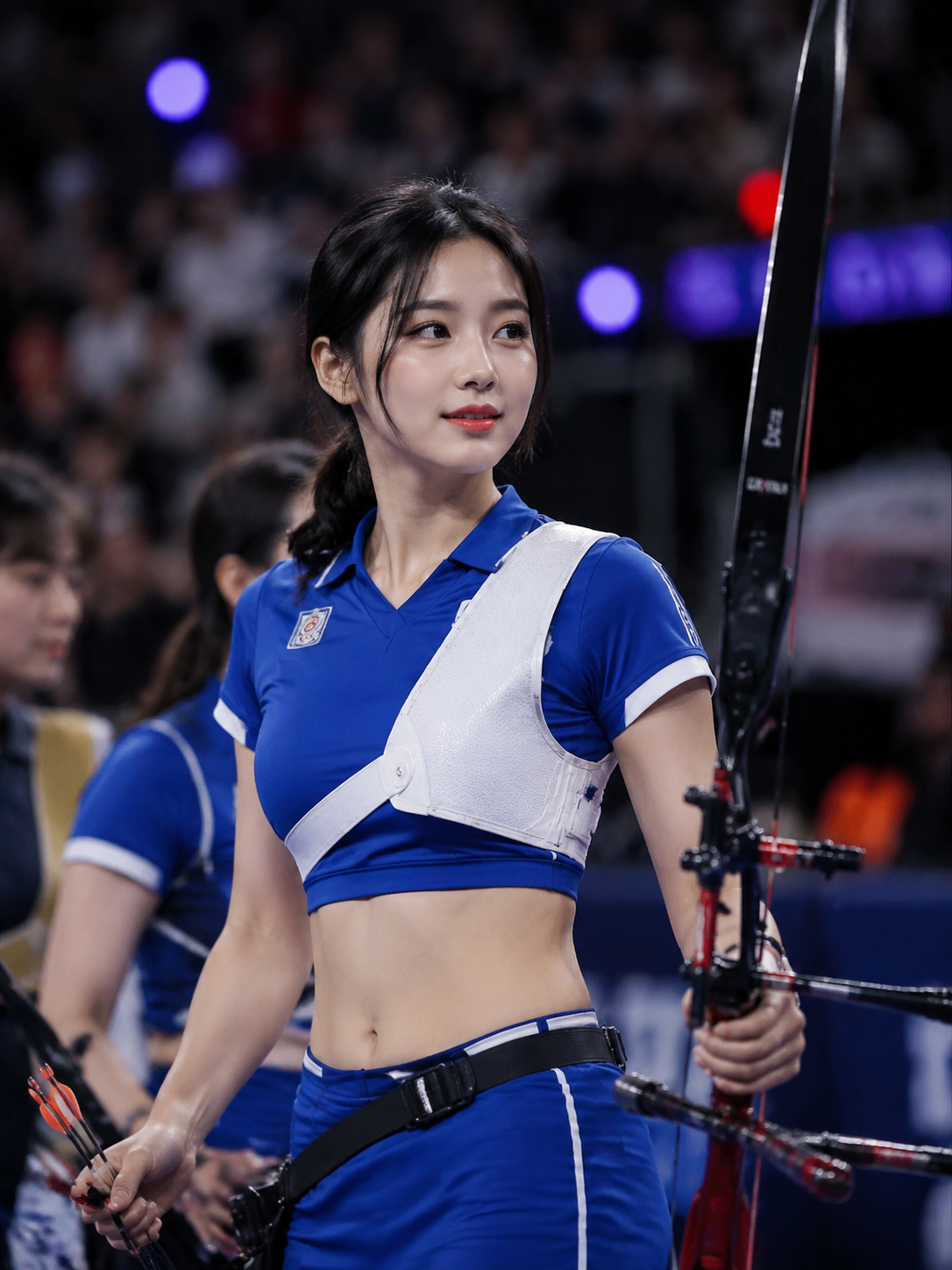
Concept art, thumbnails, and key visuals.
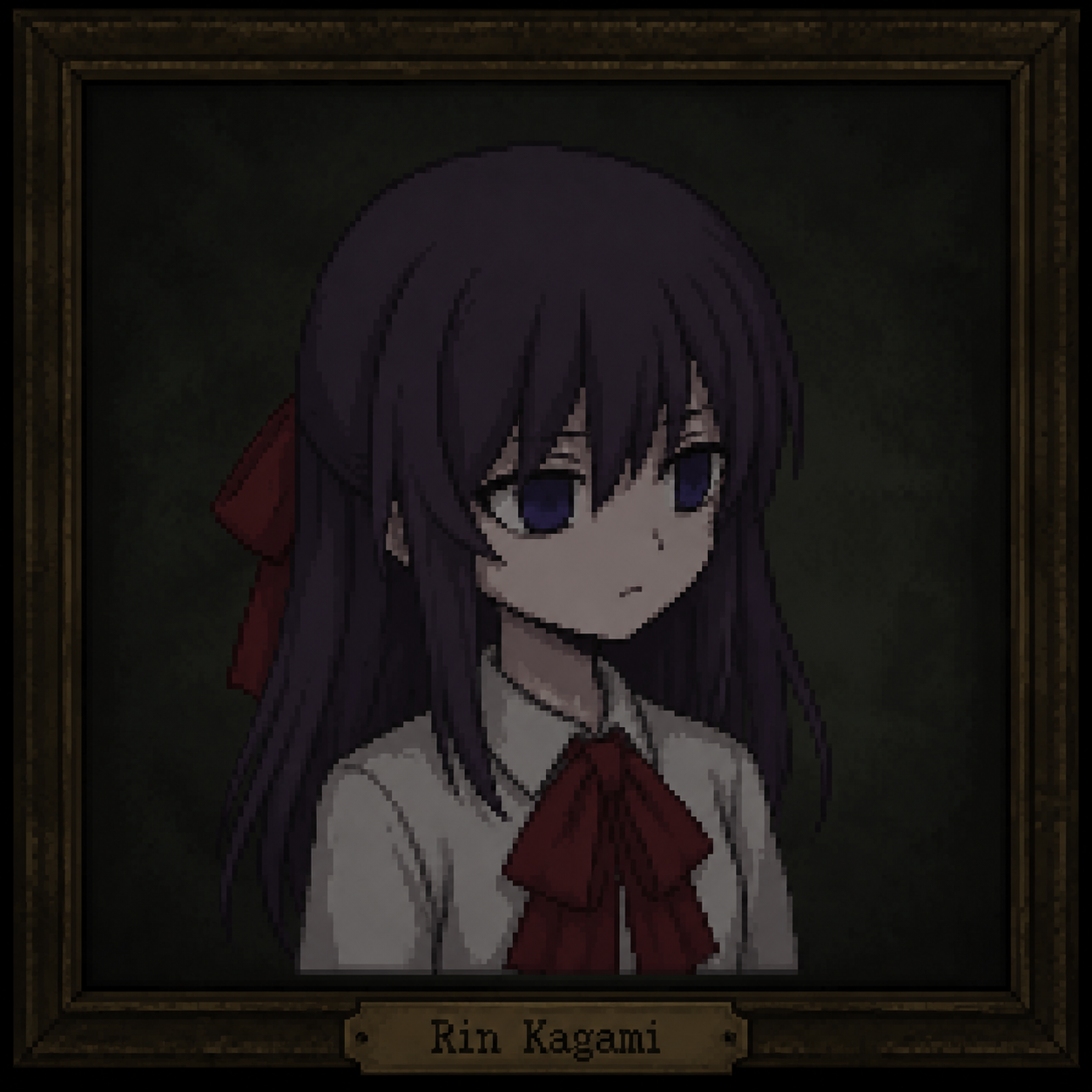
Creative variants for every placement.
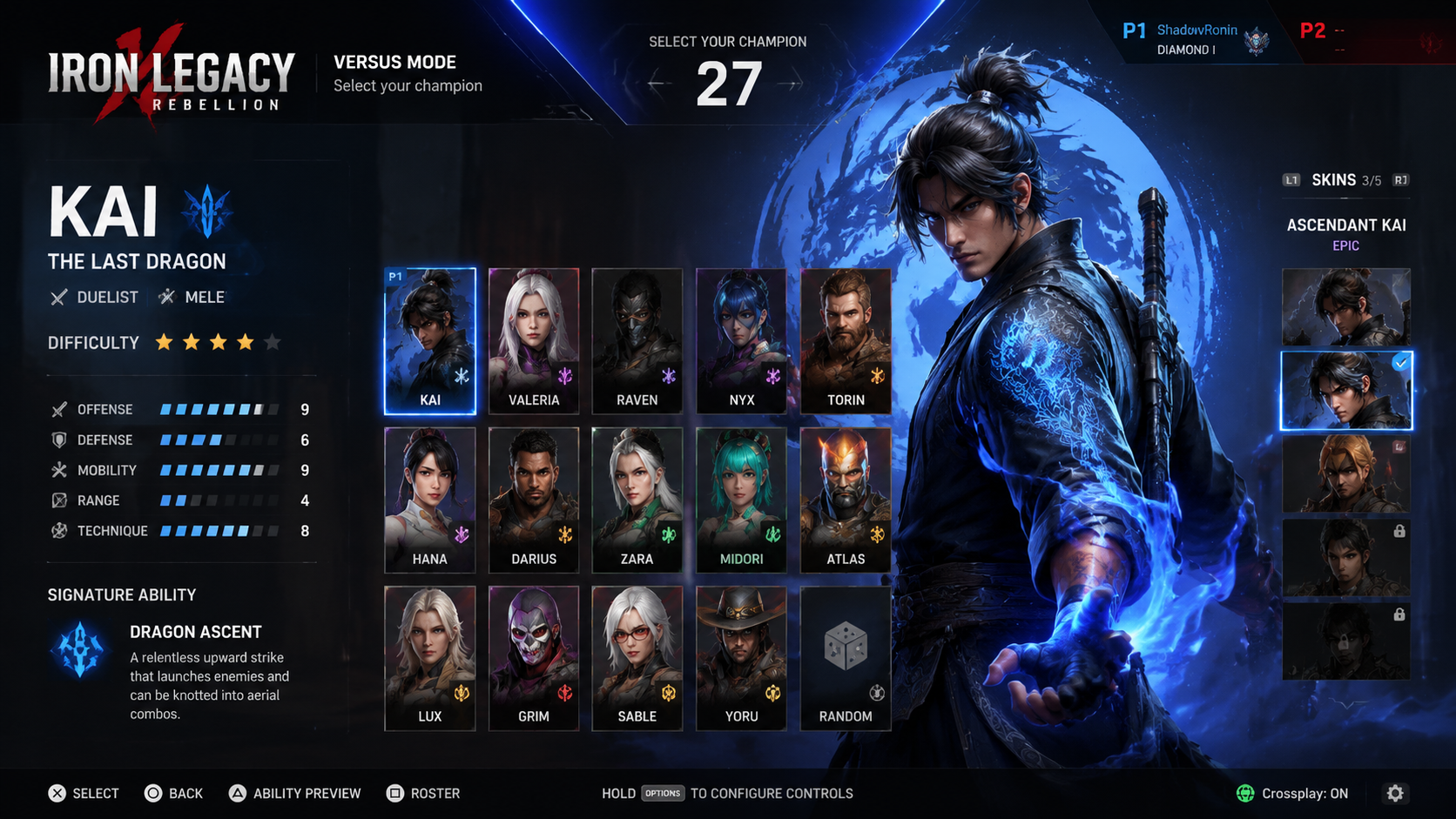
Product scenes and seasonal variants.
Mockups and text-led layouts.
More models
Switch engines without switching tools — Nano Banana 2.1 plus the strongest public image and video models, side by side in the Nano Banana AI studio.
 Muse VideoNewFlagship multimodal video with native audio
 Seedance 2.5HotMulti-reference Seedance with native audioSeedance 2.0Previous-gen Seedance up to 4KSeedance 2.0 FastFastFastest Seedance tier for drafts
 MiniMax H3Fast text/image to video up to 2KMiniMax H3 MaxHotReference-driven video consistency
 Veo 3.1Google’s cinematic drafting engine
 Wan 3.0Flexible duration and adaptive framing
 Kling 3.0Dramatic motion from a single prompt
 GPT Image 2.5NewSharp text and precise edits to 4KGPT Image 2Versatile image generation to 4KNano Banana 2.1NewFast drafts and precise edits to 4KNano Banana ProHotHigh-fidelity image output to 4KNano Banana 2Fast drafts and conversational editsNano Banana 2 LiteFastLightweight tier for quick, low-cost drafts
FAQ